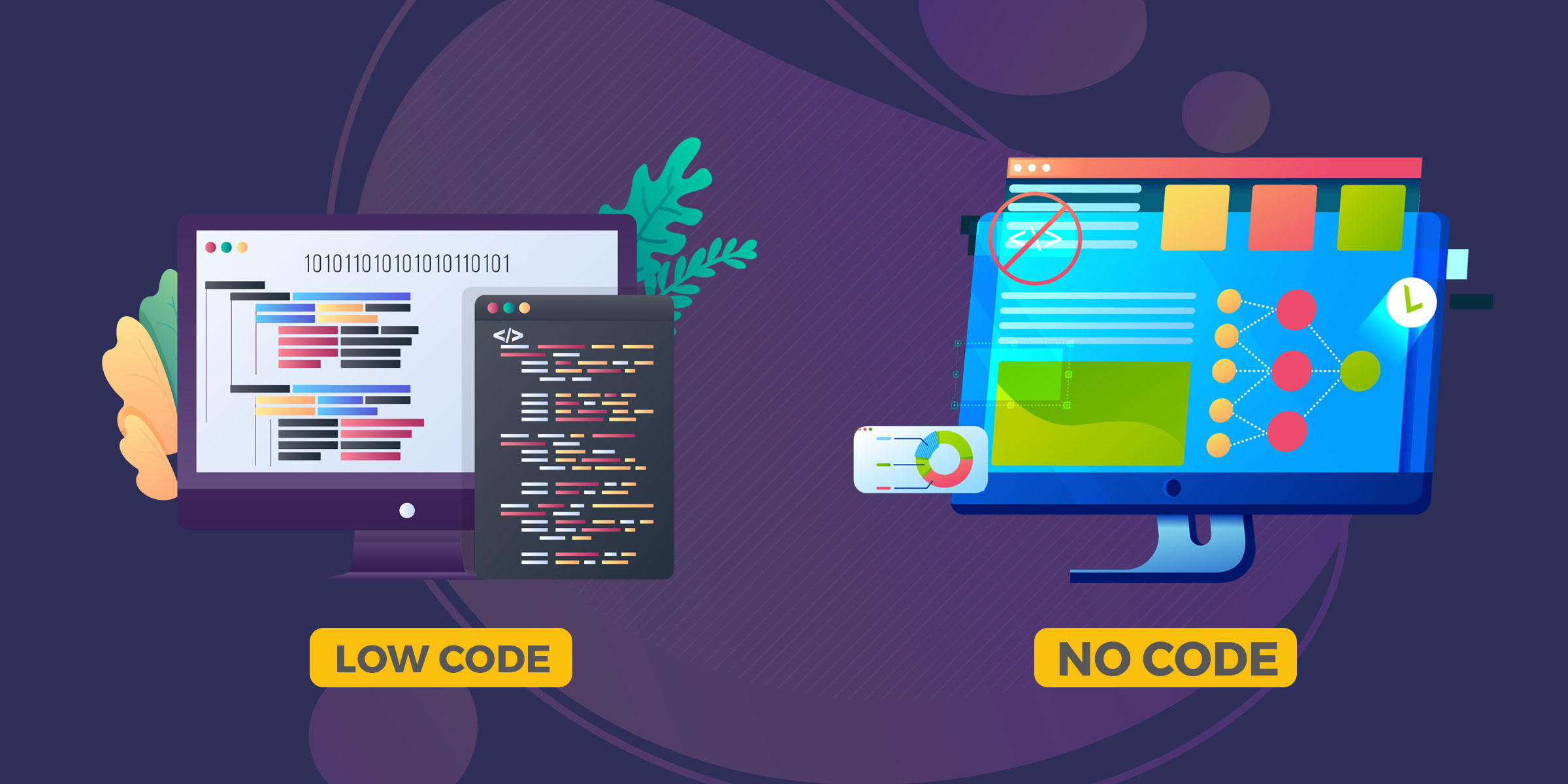
Low-Code No-Code Development: Building Applications Faster Than Ever
Low-code and no-code development platforms are transforming how applications are built. These platforms allow users to create software using visual interfaces and minimal hand-coding, making application development more accessible to non-technical users.
This approach is increasingly adopted by businesses seeking faster delivery with the guidance of professional IT consulting services.
1. What Is Low-Code and No-Code Development
Low-code platforms require minimal coding, while no-code platforms allow application creation without writing code.
Key characteristics include:
Visual drag-and-drop interfaces
Pre-built components and workflows
Rapid application development
Reduced dependency on developers
These platforms simplify and accelerate the development process.
2. Faster Application Development
One of the biggest advantages of low-code and no-code development is speed.
Speed benefits include:
Rapid prototyping
Faster deployment cycles
Quicker feedback and iteration
Reduced time to market
Organizations can move from concept to production much faster than with traditional full stack development.
3. Cost-Effective Development Approach
Low-code and no-code platforms significantly reduce overall development costs.
Cost advantages include:
Lower development effort
Reduced need for large development teams
Minimal infrastructure setup
Lower maintenance requirements
This makes them especially attractive for startups and growing businesses that strategically hire developers only when advanced customization is required.
4. Empowering Non-Technical Users
These platforms enable business users to build applications without deep technical expertise.
User empowerment benefits include:
Reduced dependency on IT teams
Faster problem-solving
Improved cross-team collaboration
Increased innovation
Business users can convert ideas into functional applications more efficiently.
5. Integration with Existing Systems
Modern low-code and no-code platforms are designed to integrate smoothly with existing tools and services.
Integration capabilities include:
API connectivity
Third-party service integration
Database connectivity
Workflow automation
For larger ecosystems, teams often combine low-code tools with traditional development through outsourced project models to maintain flexibility.
6. Security and Governance Considerations
Security and governance remain critical aspects of low-code and no-code development.
Best practices include:
Role-based access control
Data protection mechanisms
Compliance support
Platform-level security monitoring
Strong governance ensures that applications remain secure, compliant, and maintainable.
7. When to Use Low-Code and No-Code Platforms
Low-code and no-code platforms are best suited for specific use cases.
Ideal scenarios include:
Internal business tools
Workflow automation
MVP development
Simple web and mobile applications
For highly complex or performance-critical systems, traditional development approaches may still be more appropriate.
Conclusion
Low-code and no-code development platforms are redefining how applications are built. By enabling faster development, reducing costs, and empowering non-technical users, these platforms are accelerating digital transformation across industries.
As adoption continues to grow, low-code and no-code solutions will play an increasingly important role in the future of modern software development.