DevOps and Agile: How Modern Teams Build Better Software
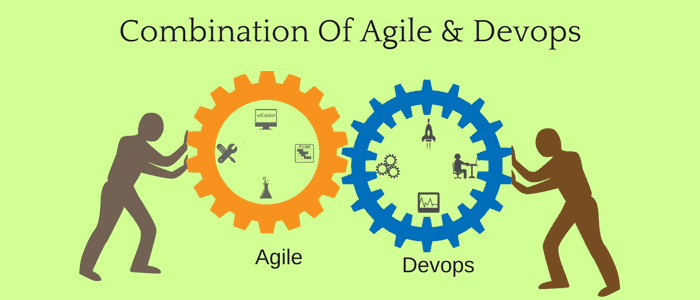
Software development has undergone a massive shift in how teams work, collaborate, and deliver products. DevOps and Agile methodologies have replaced slow, traditional approaches with faster, more efficient workflows. Companies adopting these practices are shipping better products in less time, staying ahead of competitors who still rely on outdated development cycles.
What DevOps Actually Means
DevOps bridges the gap between development and operations teams, creating a culture of collaboration and shared responsibility. Instead of developers writing code and tossing it over the wall to operations for deployment, both teams work together seamlessly throughout the entire software lifecycle.
This collaboration eliminates bottlenecks that once delayed releases for weeks or months. Automated pipelines handle testing, building, and deployment, reducing human error and freeing teams to focus on building valuable features. The result is faster delivery, higher quality software, and more reliable systems that serve users better.
Agile: Embracing Change
Agile methodology flips traditional project management on its head. Rather than planning everything months in advance and hoping nothing changes, Agile embraces change as inevitable and builds flexibility into the process. Work is divided into short sprints—typically two to four weeks—allowing teams to deliver working software frequently and adjust direction based on feedback.
Customer input drives every decision in Agile environments. Regular demos, retrospectives, and planning sessions keep the entire team aligned with business goals. This iterative approach produces software that actually solves real problems rather than solutions built in isolation from user needs. Organizations transitioning to Agile often engage IT consulting professionals to guide the cultural and process changes that successful adoption requires.
Continuous Integration and Deployment
CI/CD pipelines are the technical backbone of modern software delivery. Continuous integration automatically builds and tests code every time a developer makes changes, catching bugs instantly rather than discovering them weeks later. Continuous deployment takes this further, automatically releasing tested code to production environments.
This automation means software updates reach users within hours of being written, not months. Businesses can respond to market changes, fix issues, and deliver new features at a pace that traditional development cycles simply cannot match. Building robust CI/CD pipelines requires expertise and careful configuration, leading many companies to outsource projects to teams experienced in setting up and maintaining these critical systems.
Monitoring and Observability
Deploying software is only half the battle. Understanding how it performs in the real world requires sophisticated monitoring and observability tools. Real-time dashboards track application performance, error rates, and user behavior, enabling teams to identify and resolve issues before they impact customers.
Log management, distributed tracing, and alerting systems provide deep visibility into complex applications. When something goes wrong, these tools help teams diagnose problems quickly, minimizing downtime and user impact. Organizations that prioritize observability build more reliable products and maintain higher customer satisfaction consistently.
Scaling with the Right Team
As applications grow more complex, the teams building them must scale accordingly. Finding skilled developers who understand DevOps practices and modern workflows is challenging in today’s competitive market. Many organizations choose to hire dedicated developers who bring both technical expertise and experience working within Agile and DevOps frameworks, accelerating delivery without compromising quality.
The Bigger Picture
DevOps and Agile aren’t just technical practices—they represent a fundamental shift in how organizations think about software. Companies that embrace these philosophies build cultures of continuous improvement, collaboration, and innovation. In a world where technology drives business success, mastering these methodologies is the difference between leading and lagging behind.
The future of software development is fast, collaborative, and continuous. The teams that master DevOps and Agile today will be the ones building tomorrow’s most successful products.