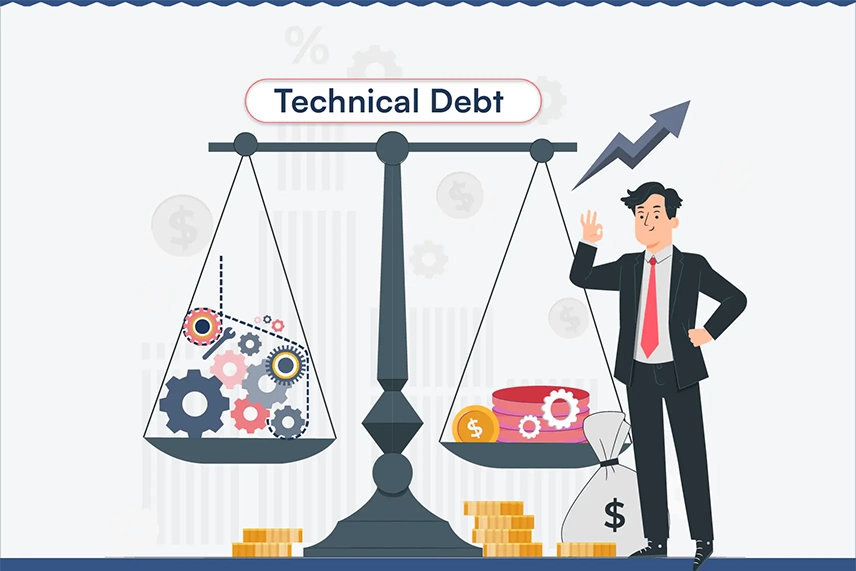
Technical Debt Management: Balancing Speed and Long-Term Code Health
Every development team faces pressure to deliver features quickly. Shortcuts taken today—skipped tests, rushed architecture, postponed refactoring—accumulate as technical debt that slows future development. Like financial debt, technical debt compounds over time, eventually consuming so much effort that new feature development grinds to a halt. Managing technical debt strategically separates thriving software projects from those drowning in maintenance.
Understanding Technical Debt Types
Not all technical debt is bad. Deliberate debt—conscious shortcuts taken to meet critical deadlines—can be strategic when teams plan repayment. Launching an MVP with known limitations to validate market fit before investing in perfect architecture makes business sense.
Accidental debt results from insufficient knowledge, evolving requirements, or mistakes discovered only later. This debt is harder to prevent but equally important to address. Outdated dependencies, inconsistent coding patterns, and poorly understood legacy code all contribute to debt that slows teams without providing past benefits that deliberate debt offered.
Measuring the Cost
Technical debt remains invisible until it impacts delivery. Features that should take days require weeks as developers navigate brittle code, work around bugs, and fix cascading failures. New team members struggle to understand convoluted systems. Production incidents consume time that could build valuable features.
Quantifying this cost helps justify debt repayment. Track how much time teams spend on maintenance versus new development. Measure deployment frequency and bug rates. Monitor developer satisfaction—talented engineers leave projects buried in technical debt. These metrics demonstrate the real business impact of accumulated shortcuts.
Preventing New Debt
Prevention beats cure. Code reviews catch quality issues before they enter codebases. Automated testing prevents regressions that accumulate as bugs. Clear coding standards maintain consistency that makes code easier to understand and modify. These practices require time upfront but reduce long-term costs dramatically.
Architectural decisions have lasting impacts. Choosing technologies thoughtfully, designing for testability, and building modular systems that isolate changes all prevent debt accumulation. Organizations establishing strong development practices often engage IT consulting services to implement code review processes, testing frameworks, and architectural patterns that prevent technical debt from accumulating in the first place.
Strategic Debt Repayment
Complete rewrites rarely work. Projects attempting to rebuild everything from scratch usually fail, delivering nothing while existing systems continue accumulating debt. Incremental improvement—systematically refactoring problem areas while maintaining functionality—produces better results.
Prioritize debt repayment based on pain. Components that change frequently benefit most from refactoring. Code causing frequent bugs justifies immediate attention. Stable systems working reliably can wait even if code quality is poor. This focused approach delivers maximum impact from limited refactoring time.
Building Refactoring Into Workflows
Waiting for dedicated refactoring time rarely works. Pressure to deliver features always takes priority. Instead, incorporate debt repayment into regular development. The Boy Scout Rule—leave code cleaner than you found it—gradually improves quality without dedicated sprints.
When adding features to messy code, refactor surrounding code first. This approach improves areas actively being modified rather than polishing unused corners. Over time, frequently modified sections become clean while rarely-touched code remains messy but stable. Organizations implementing this disciplined approach often rely on experienced full stack development teams who understand both the technical refactoring work and the discipline required to balance improvement with feature delivery.
Documentation as Debt Prevention
Poor documentation creates knowledge debt. When only one person understands critical systems, teams become brittle. Documentation—architecture decisions, API contracts, deployment procedures—distributes knowledge and enables new team members to contribute quickly.
Living documentation maintained alongside code stays current and useful. README files, inline comments explaining why rather than what, and architectural decision records capture context that code alone cannot convey.
Getting Stakeholder Buy-In
Non-technical stakeholders often view refactoring as wasted effort—”the feature works, why are you touching it?” Communicating debt’s business impact in terms they understand—slower feature delivery, increased bugs, higher developer costs—builds support for systematic repayment. Working with business analysts who can translate technical debt into business risk helps secure the time and resources needed for sustainable code health.
Technical debt management isn’t about achieving perfection—it’s about maintaining sustainable development velocity that delivers business value consistently over years, not just months.