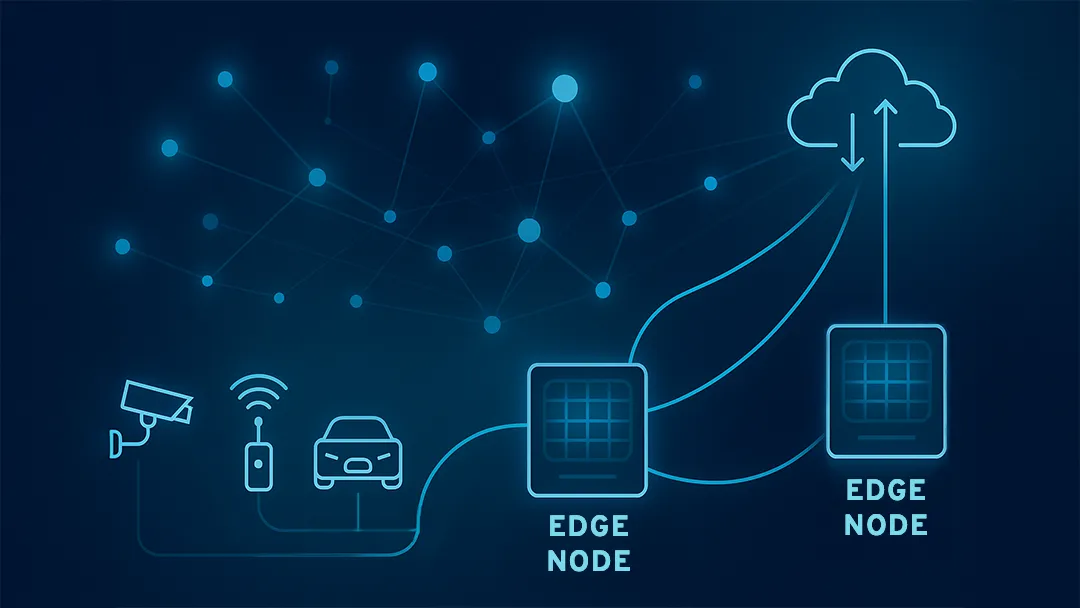
Edge computing is revolutionizing how organizations process and analyze data by moving computational resources closer to where data is generated. Instead of sending all data to centralized cloud data centers, edge computing enables processing at or near the source, reducing latency, bandwidth costs, and improving real-time decision-making capabilities.
Understanding Edge Computing Architecture
Traditional cloud computing follows a centralized model where data travels from endpoints to distant data centers for processing. Edge computing flips this paradigm by distributing computational resources to network edges—factory floors, retail stores, vehicles, or IoT devices themselves.
This distributed architecture creates processing layers. The edge layer handles time-sensitive operations and preliminary analysis. Regional edge nodes aggregate data from multiple local edges for more intensive processing. Central cloud infrastructure manages overall orchestration, stores historical data, and trains AI models that deploy back to edge devices.
Key Advantages for Modern Enterprises
Latency reduction represents the most significant benefit of edge computing. Applications requiring millisecond response times—autonomous vehicles, industrial robotics, augmented reality—simply cannot tolerate round-trip delays to distant cloud servers. Processing data locally enables real-time responses that were previously impossible.
Bandwidth optimization reduces network costs dramatically. Instead of transmitting raw sensor data continuously to the cloud, edge devices process locally and send only relevant insights or anomalies. For organizations with thousands of connected devices, this filtering can reduce data transfer costs by 90% or more.
Enhanced reliability improves system resilience. Edge devices continue operating even when internet connectivity fails. Critical operations proceed uninterrupted, with data synchronizing to central systems once connections restore. Many companies hire developer specialists with edge computing expertise to build robust offline-first applications that maintain functionality regardless of network conditions.
Industry Applications and Use Cases
Manufacturing leads edge computing adoption. Smart factories use edge devices to monitor equipment health, predict maintenance needs, and optimize production in real-time. Processing sensor data locally enables immediate adjustments, improving efficiency and reducing downtime.
Retail environments leverage edge computing for personalized experiences. In-store cameras with edge AI analyze shopping patterns and manage inventory while protecting privacy by processing video locally without transmitting raw footage externally.
Healthcare applications benefit enormously from edge computing. Medical devices process patient data locally, triggering immediate alerts for critical conditions. Implementing these systems requires comprehensive IT consulting to ensure compliance with healthcare regulations while maximizing technological benefits.
Implementation Challenges and Solutions
Security concerns multiply with distributed edge architectures. Each edge device represents a potential attack vector. Organizations must implement robust security measures including encryption, secure boot processes, regular security updates, and network segmentation. Physical security becomes equally important since edge devices often operate in unsecured locations.
Device management complexity increases significantly. Managing thousands of geographically distributed edge devices requires sophisticated orchestration platforms. Remote monitoring, automated updates, and centralized configuration management become essential. Engaging experienced IT project managers helps coordinate complex edge deployments across multiple locations and stakeholder groups.
Infrastructure standardization remains challenging. The edge computing ecosystem includes diverse hardware, operating systems, and software frameworks. Organizations must choose between proprietary solutions offering tight integration or open standards providing flexibility and avoiding vendor lock-in.
Conclusion
Edge computing represents a fundamental shift in how organizations architect distributed systems. By processing data closer to its source, businesses achieve lower latency, reduced bandwidth costs, improved reliability, and enhanced privacy. As edge infrastructure continues maturing with better standardization and management tools, adoption will accelerate across industries. Success requires careful planning, robust security measures, and skilled teams capable of managing distributed infrastructure at scale.