
Authentication and Authorization: Securing Modern Applications
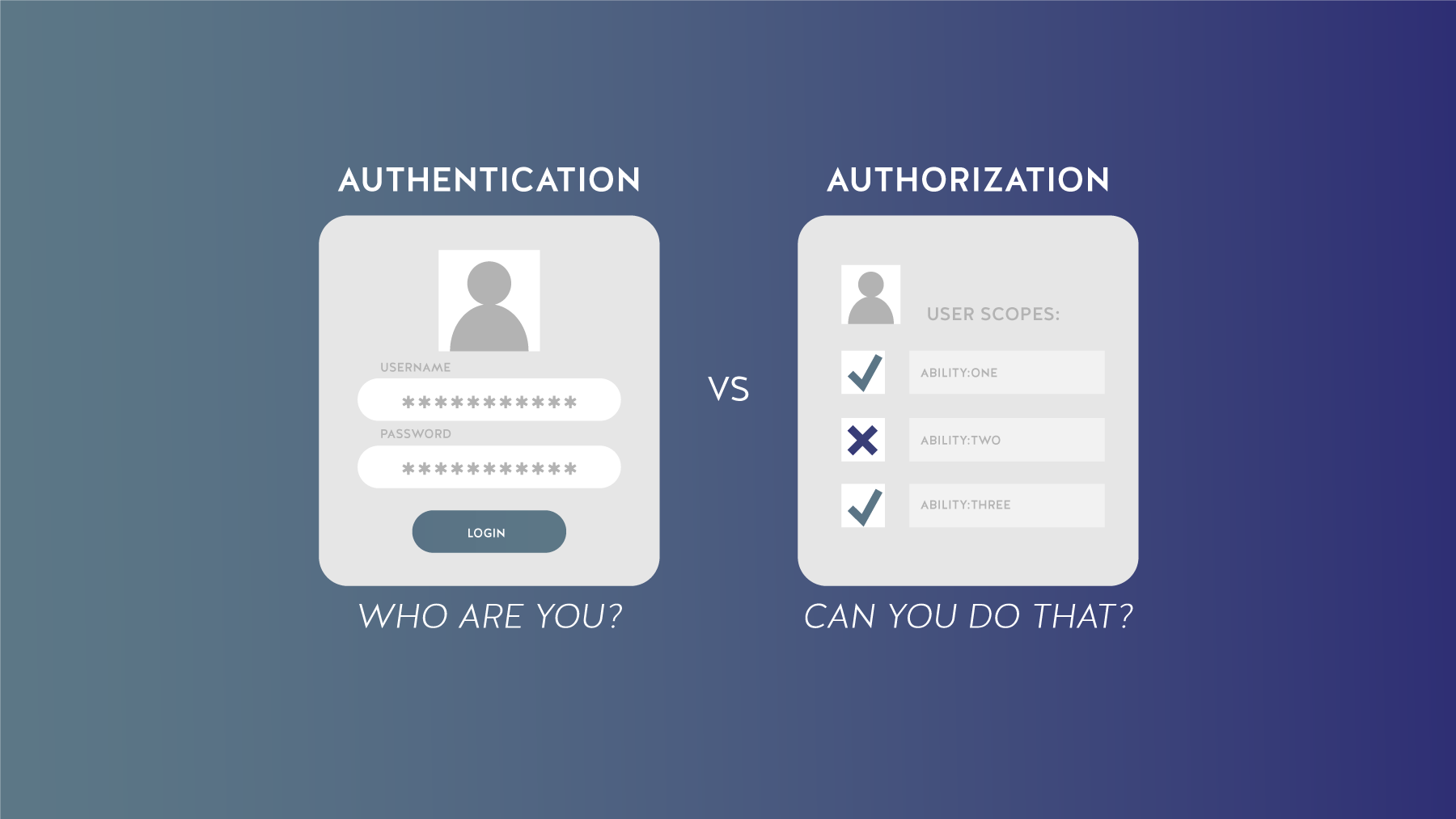
Every application must answer two fundamental questions: who are you (authentication) and what can you do (authorization). Getting these wrong exposes sensitive data, enables unauthorized actions, and creates security vulnerabilities that attackers exploit. Modern applications require robust identity and access management that balances security with user experience.
Understanding the Difference
Authentication verifies identity—usernames and passwords, biometrics, or single sign-on prove users are who they claim. Authorization determines permissions—what data users can access, which actions they can perform, and what resources they can modify. Both are essential, and neither substitutes for the other.
Weak authentication allows unauthorized access. Weak authorization enables authenticated users to exceed their privileges. Applications need strong implementations of both to maintain security. A bank teller authenticated to use the system shouldn’t authorize transactions in customer accounts they don’t service.
Password-Based Authentication Challenges
Traditional passwords remain common despite significant weaknesses. Users choose weak passwords, reuse them across sites, and fall victim to phishing attacks. Data breaches expose password hashes that attackers crack offline. Password reset mechanisms create additional attack vectors.
Modern password practices mitigate these risks. Enforcing minimum complexity requirements, checking passwords against known breach databases, and requiring multi-factor authentication add security layers. However, passwords remain inherently vulnerable, driving movement toward passwordless authentication.
Multi-Factor Authentication
MFA requires multiple verification methods—something you know (password), something you have (phone or security key), or something you are (biometric). Attackers stealing passwords still can’t access accounts without additional factors. This dramatically reduces successful account takeovers.
SMS-based MFA provides better security than passwords alone but remains vulnerable to SIM swapping attacks. Authenticator apps generating time-based codes offer stronger security. Hardware security keys provide the strongest protection, requiring physical device possession. Organizations building secure authentication often work with AI engineers who can implement advanced fraud detection systems that identify suspicious login patterns and trigger additional verification steps.
Single Sign-On and OAuth
Users managing dozens of passwords inevitably choose weak ones or reuse them. Single sign-on enables authentication through centralized identity providers—Google, Microsoft, or enterprise systems. Users authenticate once and access multiple applications without separate credentials for each.
OAuth 2.0 enables secure delegated access. Applications request specific permissions from identity providers rather than handling passwords directly. This separation reduces security risks—applications never see user credentials, and users control which permissions they grant. Implementing OAuth correctly requires understanding complex flows and security considerations.
JSON Web Tokens
JWTs provide stateless authentication where servers don’t maintain session storage. Tokens contain user identity and claims, cryptographically signed to prevent tampering. Applications verify token signatures and extract user information without database queries on every request.
However, JWT implementation requires care. Tokens must expire appropriately—too long creates security risks, too short frustrates users. Secure storage prevents token theft. Token refresh mechanisms balance security with usability. These technical details matter significantly for security.
Role-Based Access Control
Authorization often implements through roles—admin, editor, viewer—with defined permissions. Users assigned roles inherit associated permissions. This simplification makes permissions manageable as applications grow. Adding new users means assigning appropriate roles rather than configuring individual permissions.
However, overly broad roles create security issues. Admins with unnecessary permissions violate least-privilege principles. Fine-grained permissions provide better security but increase complexity. Finding the right balance requires understanding business requirements and security needs. Organizations designing authorization systems benefit from business analysts who understand both technical capabilities and business workflows to define roles that match actual organizational structures.
API Security
APIs require authentication separate from user-facing applications. API keys identify applications but don’t verify users. OAuth provides user context through APIs while maintaining security. Rate limiting prevents abuse even from authenticated clients.
API security also requires protecting against injection attacks, validating input rigorously, and sanitizing output. Just because requests come from authenticated sources doesn’t mean they’re safe. Defense in depth remains critical for API security.
Session Management
Web applications maintain sessions tracking authenticated users across requests. Sessions must be securely generated, stored, and transmitted. Session fixation attacks, session hijacking, and cross-site request forgery all target session management weaknesses.
Secure practices include regenerating session IDs after authentication, using secure and httpOnly cookies, and implementing CSRF tokens. Session timeouts balance security with convenience—too long enables attacks, too short frustrates users.
Logging and Monitoring
Authentication and authorization events must be logged for security auditing. Failed login attempts may indicate attacks. Unusual authorization patterns suggest compromised accounts or privilege escalation attempts. Real-time monitoring enables rapid incident response.
However, logs must protect sensitive information. Don’t log passwords, tokens, or personal data unnecessarily. Encrypted log storage and restricted access prevent logs themselves from becoming security vulnerabilities. Building comprehensive security monitoring requires robust infrastructure and expertise, often leading organizations to leverage technical support services that provide 24/7 monitoring and incident response capabilities.
Security by Design
Authentication and authorization must be designed into applications from the beginning rather than bolted on later. Security requirements should drive architectural decisions. Regular security reviews, penetration testing, and staying current with security best practices maintain protection as threats evolve.
Getting authentication and authorization right requires expertise, vigilance, and continuous improvement. The cost of implementation pales compared to breach consequences—financial losses, reputational damage, and user trust destroyed.