
Cloud-Native Architecture: The Foundation of Modern Scalable Applications
The way businesses build and deploy applications has fundamentally changed. Cloud-native architecture has emerged as the dominant approach for organizations that need applications to scale effortlessly, recover from failures automatically, and adapt to changing demands without downtime. Companies still running monolithic applications on traditional infrastructure are finding themselves unable to compete with the speed and flexibility that cloud-native systems provide.
Understanding Cloud-Native Principles
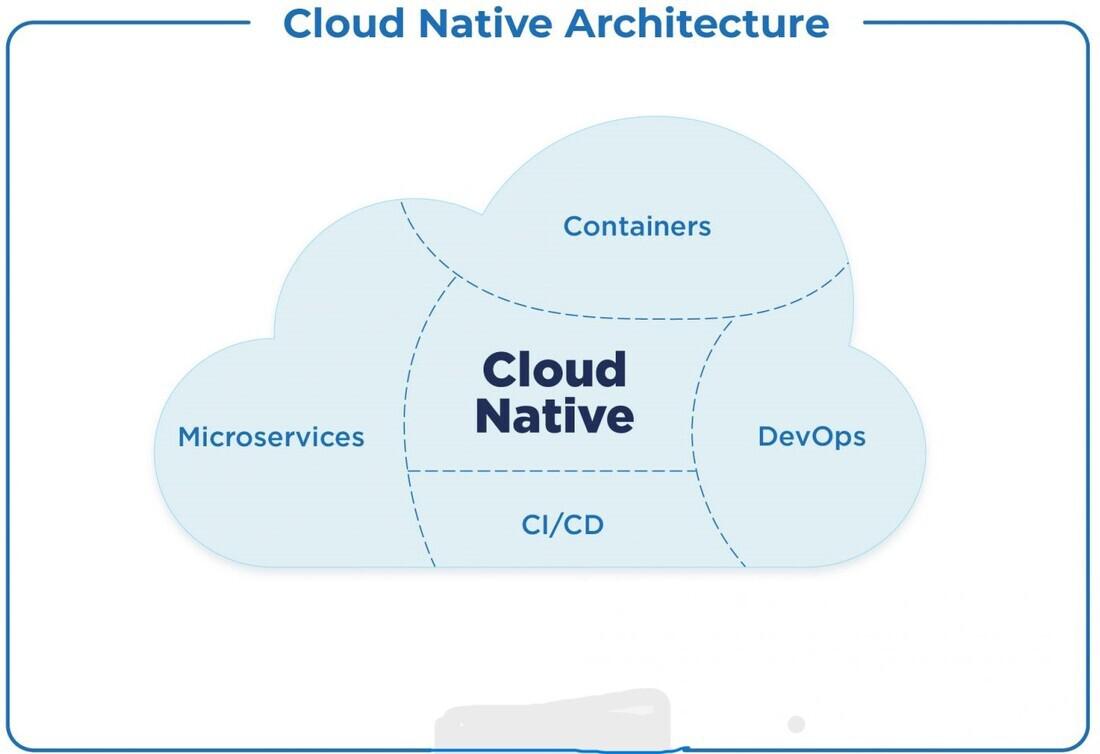
Cloud-native isn’t just about hosting applications in the cloud—it’s a complete rethinking of how software is designed, built, and operated. Applications are broken down into smaller, independent services that communicate through APIs. Each service can be developed, deployed, and scaled independently, allowing teams to move faster and respond to business needs with agility that monolithic architectures simply cannot match.
Containers have become the standard packaging format for these services, providing consistency across development, testing, and production environments. Kubernetes orchestrates these containers at scale, handling deployment, scaling, and management automatically. This infrastructure layer ensures applications remain available even when individual components fail, creating resilient systems that users can rely on.
Microservices and Team Structure
Breaking applications into microservices changes not just the technology but also how teams are organized. Instead of large teams working on a single codebase, smaller teams own specific services end-to-end. This ownership model increases accountability and allows teams to innovate independently without waiting for coordination across the entire organization.
However, managing dozens or hundreds of microservices introduces complexity that requires expertise. Many organizations choose to hire dedicated developers who specialize in distributed systems and have experience building and maintaining cloud-native applications at scale.
Data Management Challenges
Cloud-native architectures create unique challenges for data management. Each microservice typically manages its own database, avoiding the bottlenecks of shared databases but introducing questions about data consistency, transactions across services, and reporting across distributed data sources.
Event-driven architectures and message queues help services communicate asynchronously, improving resilience and decoupling dependencies. But designing these systems requires careful planning and deep understanding of distributed systems principles. Organizations embarking on cloud-native transformations often engage IT consulting experts to architect solutions that avoid common pitfalls and align with business requirements.
Security in Distributed Systems
Security becomes more complex when applications are distributed across hundreds of services and containers. Traditional perimeter-based security models fail in cloud-native environments where services communicate constantly and infrastructure is dynamic. Zero-trust security models, service meshes, and identity-based access control have become essential components of cloud-native security strategies.
Monitoring and logging across distributed services require specialized tools that can correlate events across multiple components, trace requests through complex call chains, and detect anomalies in real-time. These observability practices are critical for maintaining reliable systems and quickly resolving issues when they occur.
Cost Optimization
While cloud-native architecture offers tremendous flexibility, it can also lead to unexpected costs if not managed carefully. Auto-scaling, while powerful, can drive expenses up quickly during traffic spikes. Right-sizing resources, implementing cost monitoring, and designing efficient architectures require ongoing attention and expertise.
The Path Forward
Cloud-native architecture isn’t optional anymore—it’s the standard approach for building applications that need to scale, evolve, and compete in today’s market. Organizations that master these principles gain significant advantages in speed, reliability, and ability to innovate. The investment in cloud-native transformation pays dividends in reduced operational overhead, faster time to market, and systems that grow with business demands.
The future belongs to applications built for the cloud from the ground up, designed to embrace change rather than resist it.