
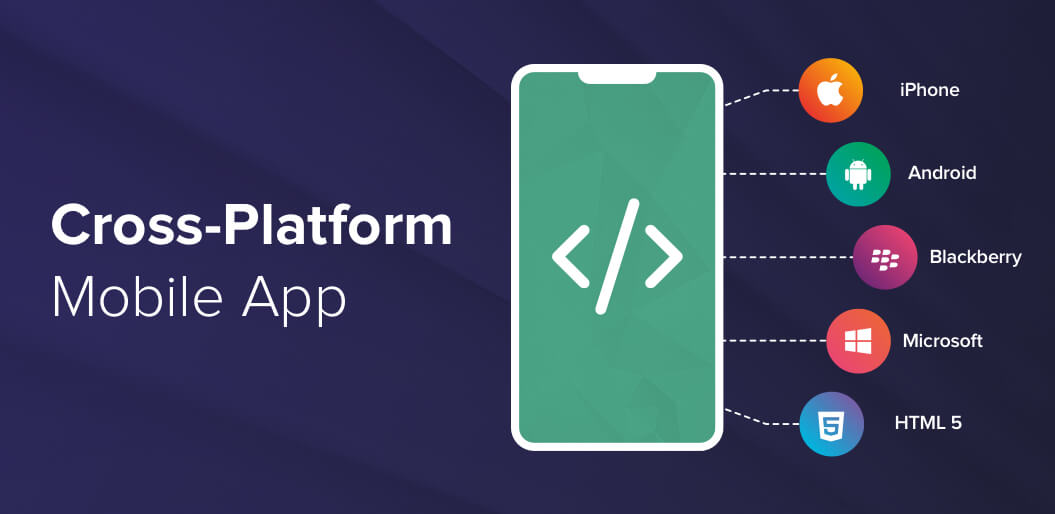
Cross-Platform Mobile Development: Reaching Users Everywhere
Mobile users expect native-quality experiences on iOS and Android. Traditionally, delivering these experiences required building separate applications for each platform—doubling development time, costs, and maintenance effort. Cross-platform development frameworks have changed this equation, enabling teams to write code once and deploy everywhere while maintaining performance and user experience standards.
The Business Case for Cross-Platform
Building native iOS and Android applications separately requires specialized developers for each platform, different codebases to maintain, and feature parity challenges as platforms diverge. Small teams struggle to support both platforms equally, often prioritizing one while the other lags behind.
Cross-platform frameworks address these challenges by sharing code across platforms. A single codebase serves both iOS and Android users, reducing development time by 40-60% compared to native approaches. Teams move faster, features reach all users simultaneously, and maintenance complexity decreases significantly.
For startups validating ideas or businesses with limited resources, cross-platform development makes mobile applications economically viable. Rather than choosing between platforms or building sequentially, companies reach entire mobile markets from day one.
Leading Framework Options
React Native, built by Facebook, uses JavaScript and React to create mobile applications. Its large community, extensive libraries, and hot reloading during development make it popular for building consumer applications. Instagram, Airbnb, and countless other major apps started with React Native.
Flutter, from Google, uses Dart language and renders interfaces directly without native components. This approach delivers excellent performance and pixel-perfect control over appearance. Flutter’s widget-based architecture and comprehensive documentation attract developers building visually rich applications.
Each framework involves tradeoffs. React Native leverages existing web development skills but occasionally requires platform-specific code for advanced features. Flutter offers better performance consistency but requires learning Dart. Organizations building cross-platform applications often engage specialists in mobile app development who understand both frameworks and can recommend the best fit for specific requirements.
Performance Considerations
Early cross-platform frameworks struggled with performance, creating sluggish experiences that drove users back to native applications. Modern frameworks have largely solved these issues. React Native’s new architecture and Flutter’s compiled approach deliver performance indistinguishable from native applications for most use cases.
However, graphics-intensive applications—games, augmented reality, complex animations—may still benefit from native development. Evaluating whether cross-platform performance meets requirements depends on specific application demands rather than blanket assumptions.
User Experience Challenges
iOS and Android have different design languages, navigation patterns, and user expectations. Building truly platform-appropriate experiences requires respecting these differences rather than forcing identical interfaces across platforms.
Good cross-platform development adapts to platform conventions—using iOS navigation patterns on iPhones while respecting Android’s back button behavior. Shared business logic shouldn’t prevent platform-appropriate user interfaces that feel native to each ecosystem.
Access to Native Features
Modern smartphones offer sophisticated capabilities—cameras, GPS, biometrics, notifications, payments. Cross-platform frameworks provide plugins accessing these features, but occasionally platform-specific code becomes necessary for cutting-edge capabilities or hardware-specific features.
This flexibility allows teams to write most code once while dropping to native implementations only when required. The ratio typically favors shared code heavily—80-90% platform-independent with 10-20% platform-specific adjustments.
Team Structure and Skills
Cross-platform development enables smaller teams to deliver both iOS and Android applications effectively. Instead of maintaining separate iOS and Android teams, unified teams work across platforms, improving communication and feature consistency.
Developers with web development backgrounds particularly benefit from React Native’s JavaScript foundation. Teams can leverage existing skills rather than hiring entirely new specialists. However, understanding mobile-specific patterns remains important regardless of framework choice. Building effective cross-platform teams often requires strategic hiring, leading organizations to hire developers who combine mobile expertise with cross-platform framework knowledge.
Maintenance and Updates
Single codebases simplify maintenance dramatically. Bug fixes apply across platforms simultaneously. New features deploy to all users without separate implementation efforts. Updates ship faster as teams avoid duplicating work across platforms.
However, platform updates from Apple and Google occasionally require framework updates or compatibility adjustments. Active framework communities typically address these quickly, but timing can delay updates compared to native development that adapts immediately.
Making the Decision
Cross-platform development isn’t universally superior to native approaches. Applications requiring cutting-edge platform features or maximum performance may justify native development’s higher costs. However, most business applications, content platforms, and productivity tools gain more from cross-platform efficiency than they lose in limitations. Organizations evaluating this decision benefit from consulting with experts in business analysts who can assess technical requirements against business constraints to determine the optimal approach.
The mobile landscape demands presence on both major platforms. Cross-platform frameworks make this realistic for organizations of all sizes.