
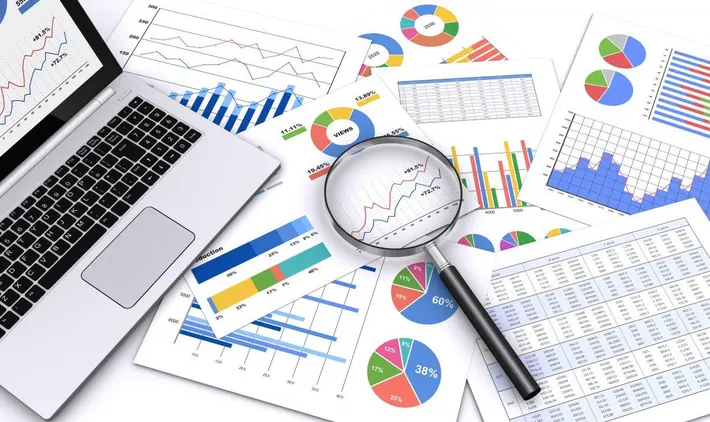
Data Strategy for Growing Businesses: Turning Raw Information Into Competitive Advantage
Data is everywhere. Every customer interaction, every transaction, every system log, and every user behavior generates information that could — in theory — inform better decisions. But most businesses are drowning in data while starving for insight. The difference between organizations that extract genuine value from their data and those that simply accumulate it comes down to one thing: strategy.
Why Most Businesses Struggle With Data
The problem isn’t usually a lack of data. It’s a lack of structure around how data is collected, stored, governed, and used. Data lives in silos — separate databases for CRM, finance, operations, and marketing that don’t talk to each other. Reporting is inconsistent because different teams define the same metrics differently. And leadership makes decisions based on whichever dashboard is most convenient rather than the most accurate.
These aren’t technical problems at their core. They’re organizational ones. Fixing them requires agreement on definitions, ownership, and processes before a single line of pipeline code is written.
Building the Foundation: Data Infrastructure That Scales
Modern data infrastructure has three essential layers. The ingestion layer collects raw data from every relevant source — product events, third-party APIs, databases, and operational systems — and lands it in a centralized data warehouse or lakehouse. The transformation layer cleans, joins, and models this raw data into structures that analysts and downstream systems can reliably use. And the serving layer delivers insights through dashboards, reports, APIs, and embedded analytics.
Each layer requires careful design. A poorly architected ingestion pipeline creates data quality problems that propagate downstream and undermine trust in every report built on top of it. Organizations that engage IT consulting expertise during data infrastructure design avoid the costly rebuilds that come from scaling a system that was never designed to grow.
The Role of AI in Modern Data Strategy
Data and AI are increasingly inseparable. Machine learning models require clean, well-structured training data. Real-time recommendation systems depend on low-latency data pipelines. Predictive analytics needs historical data that is complete, consistent, and correctly labeled.
Businesses that invest in strong data foundations are the ones best positioned to deploy AI effectively. Those that try to bolt AI onto messy, siloed data infrastructure find that model performance is limited not by the algorithm but by the quality of the data feeding it. Working with experienced AI engineers who understand both the data and modeling sides of the problem ensures that AI initiatives are built on foundations that can actually support them.
Governance, Privacy, and Compliance
As data volumes grow, so do the legal and ethical responsibilities around how it is used. GDPR, CCPA, and a growing patchwork of regional privacy regulations impose real obligations on businesses that collect and process personal data. Data breaches carry regulatory fines, legal liability, and reputational damage that can far exceed the cost of building proper governance from the start.
Data governance isn’t just a compliance exercise — it’s a trust exercise. Customers who believe their data is handled responsibly are more willing to share it, enabling better personalization, better products, and stronger relationships.
Staffing Data Initiatives With the Right Talent
Data engineering, analytics engineering, and data science are distinct disciplines that require different skill profiles. Many businesses struggle to find professionals who can span all three — and even when they do, retaining that talent in a competitive market is its own challenge.
Organizations that choose to hire dedicated developers with data engineering expertise can accelerate pipeline development, modernize legacy data infrastructure, and build the analytical foundations their business needs — without the lengthy timelines of traditional recruiting or the overhead of permanent headcount.
From Data to Decisions
The ultimate measure of a data strategy is not the sophistication of the infrastructure or the volume of data collected. It is whether decision-makers at every level of the organization — from frontline managers to the executive team — are making better choices because of the information available to them.
Data strategy, done right, makes good judgment scalable. And in a business environment where the pace of change only accelerates, that capability is among the most valuable any organization can build.