
DevOps Best Practices for Faster and Reliable Software Delivery
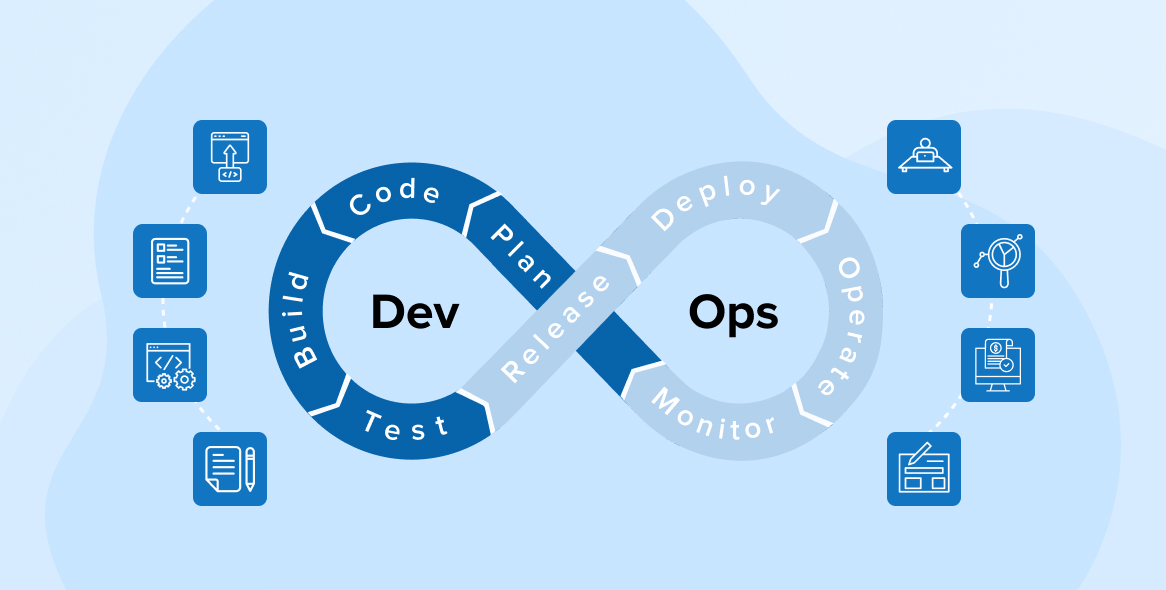
DevOps has become a core part of modern software development. It bridges the gap between development and operations teams, enabling faster releases, better system stability, and continuous improvement.
This article highlights key DevOps best practices that help organizations deliver high-quality software efficiently.
1. Build a Strong DevOps Culture
Successful DevOps starts with culture, not tools. Collaboration and shared responsibility are fundamental to DevOps success.
Cultural best practices include:
- Close collaboration between development and operations
- Shared ownership of deployment and stability
- Transparent communication
- Continuous feedback loops
A strong culture improves productivity and reduces deployment friction. Organizations implementing DevOps transformation can benefit from strategic guidance through IT consulting services that help establish effective collaboration frameworks and processes.
2. Implement Continuous Integration and Continuous Deployment
CI/CD pipelines automate code testing, integration, and deployment, allowing teams to release updates quickly and safely.
CI/CD benefits include:
- Faster release cycles
- Reduced manual errors
- Early detection of bugs
- Consistent deployment processes
Automation is the backbone of efficient DevOps workflows.
3. Automate Infrastructure Management
Infrastructure automation ensures consistency and scalability across environments.
Automation practices include:
- Infrastructure as code
- Automated provisioning
- Version-controlled configurations
- Repeatable environment setups
Automated infrastructure reduces downtime and configuration errors. Companies building complex infrastructure can access specialized talent through hire dedicated developers who excel in infrastructure automation and cloud-native technologies.
4. Monitor Performance and System Health
Continuous monitoring is essential for maintaining application reliability.
Monitoring best practices include:
- Real-time performance tracking
- Centralized logging
- Alerting for critical issues
- Proactive issue detection
Monitoring helps teams resolve problems before users are affected.
5. Prioritize Security in DevOps
Security should be integrated into every stage of the DevOps pipeline.
DevOps security practices include:
- Automated security testing
- Secure configuration management
- Regular vulnerability scans
- Access control and secrets management
Embedding security early reduces risks and vulnerabilities.
6. Optimize Deployment Strategies
Modern deployment strategies minimize risk during releases.
Effective strategies include:
- Blue-green deployments
- Rolling updates
- Canary releases
- Automated rollback mechanisms
These methods ensure smoother and safer deployments. Teams coordinating complex deployment schedules can work with IT project managers who ensure releases are planned, tested, and executed with minimal disruption to production systems.
7. Measure and Improve Continuously
DevOps is an ongoing process that requires continuous measurement and optimization.
Key metrics include:
- Deployment frequency
- Lead time for changes
- Mean time to recovery
- System reliability
Tracking these metrics helps teams improve performance over time. Organizations requiring ongoing DevOps support can maintain system health through technical support services that provide continuous monitoring, incident response, and performance optimization.
Conclusion
DevOps best practices empower teams to deliver software faster, more securely, and with greater reliability. By focusing on culture, automation, monitoring, and security, organizations can build resilient systems that support continuous innovation.
DevOps is not just a methodology—it is a mindset for modern software development. Whether you’re establishing your first DevOps pipeline or optimizing existing workflows, implementing these practices with experienced professionals ensures your software delivery process supports business growth and technical excellence.