
Infrastructure as Code: Managing Systems Through Software
Manually configuring servers, networks, and cloud resources creates inconsistencies, errors, and operational bottlenecks. Infrastructure as Code treats infrastructure configuration as software—version controlled, tested, and deployed through automated pipelines. This approach transforms infrastructure management from manual, error-prone processes into reliable, repeatable systems that scale with organizational needs.
The Problem with Manual Configuration
Traditional infrastructure management involves logging into servers, clicking through cloud consoles, and documenting procedures in wikis that quickly become outdated. Each environment—development, testing, production—drifts as different people make changes at different times. Disaster recovery becomes guesswork when documentation doesn’t match reality.
Manual processes don’t scale. Adding servers takes hours of repetitive configuration. Environments take days to replicate. When incidents occur, rebuilding systems requires tribal knowledge held by specific individuals. This fragility creates risk and slows innovation.
Infrastructure Defined in Code
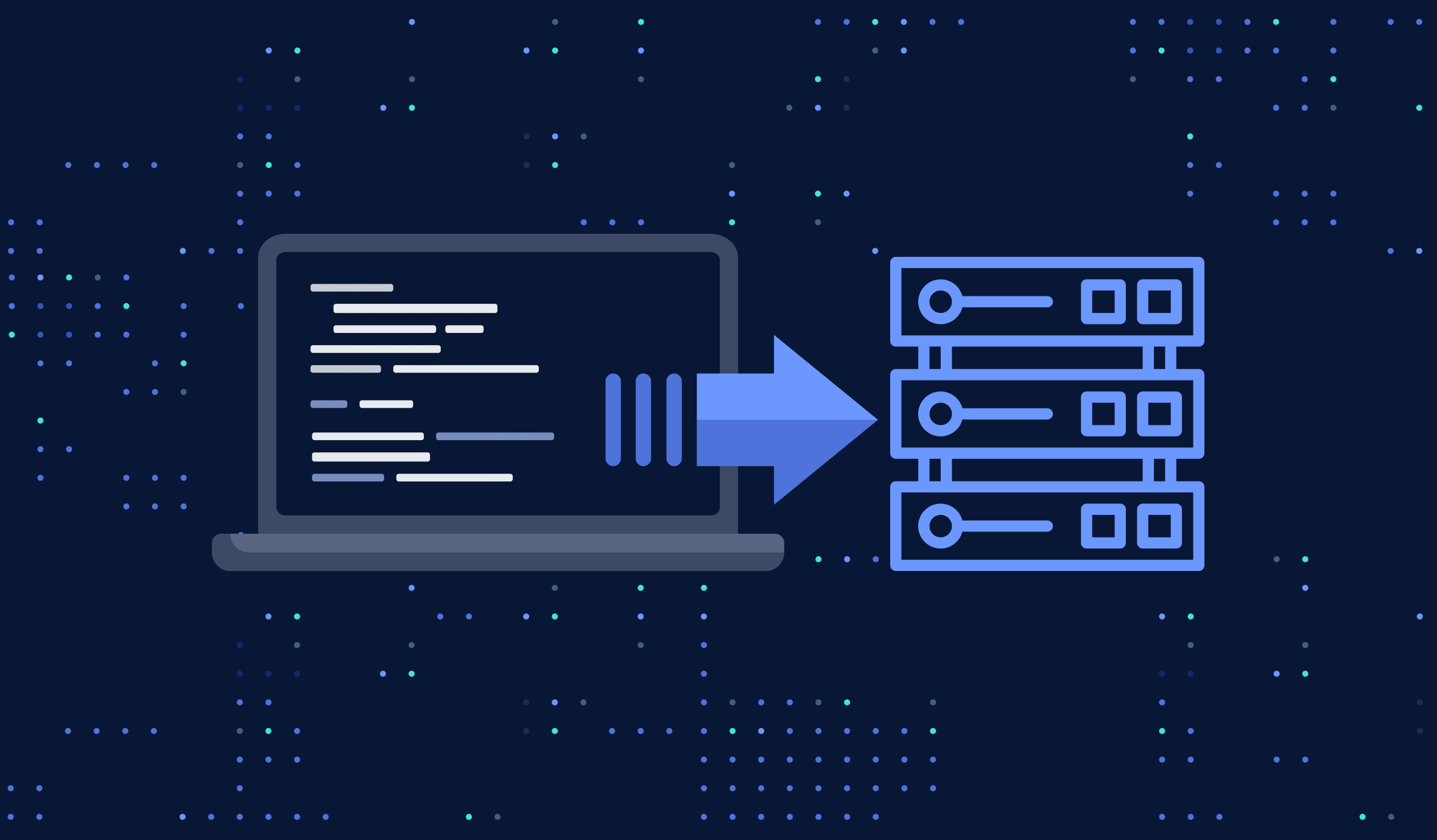
IaC defines infrastructure through declarative configuration files—JSON, YAML, or domain-specific languages. These files specify desired states: “create three web servers with these specifications, a load balancer distributing traffic, and a database with specific capacity.” Tools like Terraform, CloudFormation, or Ansible read these definitions and create matching infrastructure automatically.
Code describing infrastructure enables version control through Git. Changes require pull requests and reviews just like application code. Teams track who changed what, when, and why. Rolling back problematic changes becomes trivial—revert commits and reapply previous configurations.
Consistency Across Environments
IaC eliminates environment drift. Development, testing, and production environments use identical configurations differing only in size or specific parameters. This consistency prevents “works in development but fails in production” surprises caused by configuration mismatches.
Developers spin up complete environments locally or in cloud accounts for testing without waiting for operations teams. This self-service capability accelerates development while maintaining consistency through shared infrastructure definitions.
Automated Testing and Validation
Infrastructure code can be tested before deployment. Syntax validators catch configuration errors. Policy checks ensure compliance with security standards—no public databases, encryption enabled, proper network segregation. Automated tests verify that deployed infrastructure actually works as expected.
This testing prevents mistakes from reaching production. When changes break things, automated tests catch issues during development rather than during deployments that impact users. Organizations implementing comprehensive IaC practices often engage IT consulting services to establish testing frameworks, validation pipelines, and best practices that prevent configuration problems from causing production incidents.
Disaster Recovery and Business Continuity
IaC enables rapid disaster recovery. When infrastructure fails, teams redeploy from code rather than manually rebuilding systems. Multi-region deployments spin up by running existing configurations in different locations. This capability transforms disaster recovery from theoretical runbooks into tested, automated procedures.
Regular infrastructure redeployment tests disaster recovery processes. Some organizations deliberately destroy and recreate production infrastructure regularly, ensuring recovery procedures work reliably. This confidence reduces risk and enables bold architectural changes.
Cost Management and Optimization
Infrastructure definitions make costs visible and controllable. Teams review proposed changes before deployment, understanding cost implications. Unused resources defined in code are obvious and easy to remove. Automated policies prevent expensive mistakes like forgetting to shut down development environments overnight.
Right-sizing decisions become data-driven. Monitoring reveals actual resource usage. IaC makes applying optimizations across infrastructure simple—change instance sizes in code and redeploy everywhere simultaneously.
Security and Compliance
Security policies enforce through code rather than hoping administrators remember procedures. All databases must encrypt data at rest. Network access must flow through specific security groups. These policies check automatically during deployment, preventing security violations rather than discovering them during audits.
Compliance becomes demonstrable. Auditors review code defining infrastructure rather than manually checking hundreds of systems. Changes require documented reviews and approvals tracked in version control. This transparency satisfies regulatory requirements efficiently.
Team Collaboration
IaC enables infrastructure collaboration similar to application development. Multiple team members work on infrastructure changes simultaneously. Pull requests enable review and discussion before deployment. Knowledge distributes across teams rather than concentrating in individual admins.
This collaborative approach reduces key person dependencies. Anyone on the team can make infrastructure changes following established patterns. New team members learn by reading code rather than shadowing experts. Successfully implementing these collaborative workflows requires coordination and clear processes, making experienced IT project managers valuable for establishing practices that enable teams to work effectively with infrastructure as code.
Choosing IaC Tools
Different tools suit different needs. Terraform works across multiple cloud providers with consistent syntax. CloudFormation integrates deeply with AWS. Ansible handles both infrastructure and configuration management. Pulumi uses familiar programming languages rather than domain-specific languages.
Tool selection depends on existing infrastructure, team skills, and specific requirements. Most organizations benefit more from committing deeply to one tool than superficially using several. Building expertise with IaC tools and establishing best practices often leads organizations to hire dedicated developers experienced in infrastructure automation who can accelerate adoption and prevent common pitfalls.
The Path Forward
Infrastructure as Code represents fundamental improvement in how systems are managed. The initial investment in learning and implementation pays dividends through increased reliability, faster deployments, and reduced operational burden. Organizations treating infrastructure as software build foundations for sustainable, scalable operations.