
Legacy System Modernization: Updating Critical Business Infrastructure
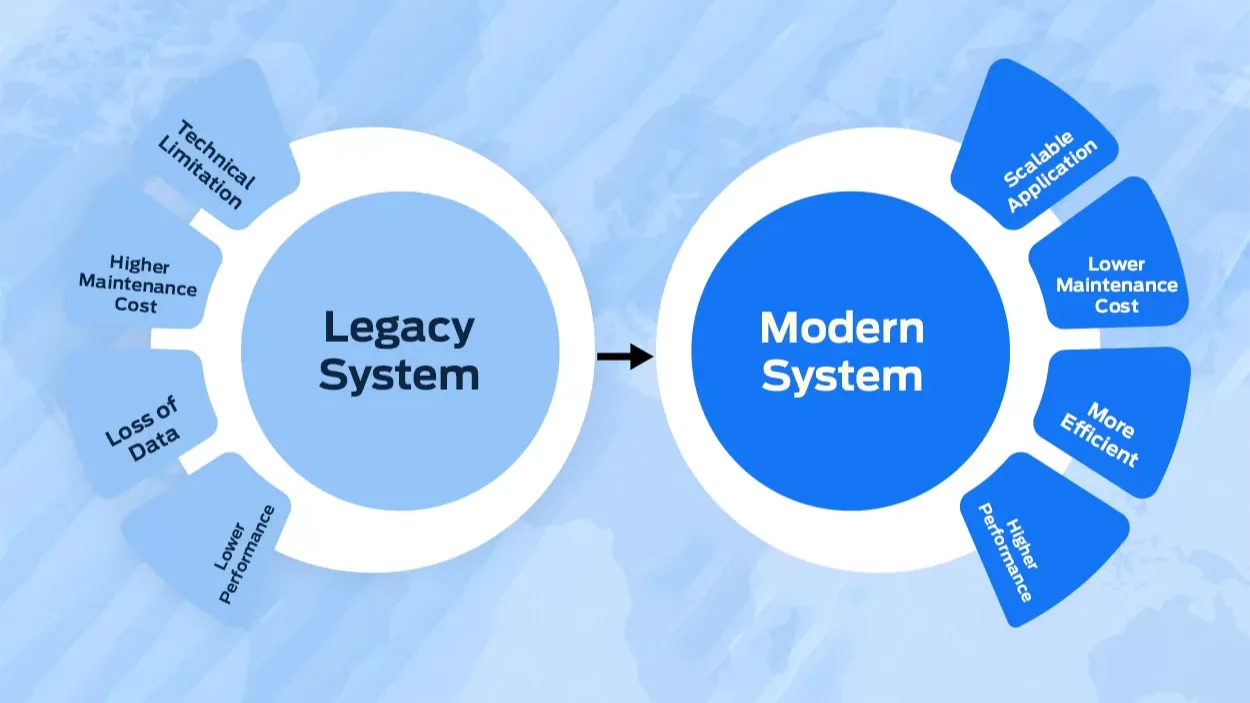
Many organizations run on technology built decades ago. These legacy systems handle critical operations—financial transactions, customer records, inventory management—but struggle with modern demands. Old code is difficult to maintain, security vulnerabilities accumulate, and integration with newer systems becomes increasingly complex. Modernization isn’t optional anymore—it’s essential for survival in competitive markets.
The Hidden Costs of Legacy Systems
Legacy systems cost more than organizations realize. Maintenance consumes disproportionate IT budgets as developers with relevant expertise retire or move on. Finding developers who understand COBOL, outdated Java frameworks, or proprietary languages becomes nearly impossible and extremely expensive.
These systems create business limitations beyond technical debt. They can’t support mobile applications, integrate poorly with cloud services, and lack features customers expect. Companies lose competitive advantages when legacy infrastructure prevents innovation that competitors implement easily on modern platforms.
Understanding Modernization Options
Several approaches exist for updating legacy systems. Complete replacement builds new systems from scratch, offering clean architecture but carrying significant risk and cost. Incremental modernization updates components gradually, reducing risk but potentially extending timelines.
Replatforming moves applications to modern infrastructure—containers, cloud platforms—without changing code significantly. This approach improves scalability and reduces operational costs while preserving existing functionality. Refactoring rewrites problematic code sections while maintaining overall architecture, balancing improvement with stability. Selecting the right approach requires careful analysis of business requirements, technical constraints, and available resources, making experienced IT consulting guidance valuable for organizations navigating these complex decisions.
Data Migration Challenges
Legacy systems contain years or decades of critical business data. Migrating this information to modern platforms without loss or corruption requires meticulous planning and execution. Data formats change, validation rules differ, and relationships between records must be preserved perfectly.
Testing data migration thoroughly before cutover prevents disasters. Running old and new systems in parallel validates that modernized systems produce identical results for critical operations. When discrepancies appear, teams must determine whether legacy systems contained bugs being replicated or whether migration introduced errors.
Minimizing Business Disruption
Critical systems cannot simply shut down for months during modernization. Businesses require continuity even as underlying technology transforms completely. Phased rollouts update components individually while maintaining overall functionality. Feature flags enable new functionality to be deployed but remain inactive until ready for release.
Rollback strategies provide safety nets when updates cause unexpected problems. Comprehensive monitoring detects issues quickly, enabling rapid response before minor problems escalate into major outages. Coordinating these complex transitions requires strong project leadership, making skilled IT project managers essential for keeping modernization initiatives on track while minimizing operational disruption.
API-Based Integration Strategy
Modern applications communicate through APIs rather than tightly coupled integrations. Wrapping legacy systems with API layers enables newer applications to interact with old systems through standard interfaces. This approach allows gradual replacement without requiring simultaneous updates across entire technology stacks.
APIs also enable strangler fig patterns—building new functionality alongside old systems and gradually routing more traffic to modern components until legacy systems can be retired completely. This incremental approach reduces risk compared to big-bang replacements.
Building for the Future
Modernization provides opportunities to adopt better practices. Cloud infrastructure eliminates server maintenance. Microservices architecture improves scalability. Modern security practices protect against current threats. Automated testing prevents regressions that manual testing misses.
Organizations shouldn’t simply replicate legacy functionality in new code. Modernization projects should question whether existing features remain necessary, simplify overly complex workflows, and design for future flexibility. Building modernized systems with current best practices often requires bringing in development expertise specifically skilled in contemporary technologies, leading many companies to hire dedicated developers who can architect and implement systems using modern frameworks and cloud-native approaches.
The Modernization Imperative
Delaying legacy modernization increases costs and risks while competitive disadvantages compound. The organizations investing in modernization today build foundations for agility, innovation, and growth that legacy infrastructure simply cannot support. Modern systems aren’t just about technology—they’re about enabling business transformation.