
Technical Debt: What It Is, Why It Accumulates, and How to Pay It Down
Every software team knows the feeling. A codebase that started clean and well-structured gradually becomes harder to work with. New features take longer than they should. Bugs resurface in unexpected places. Engineers spend more time understanding existing code than writing new code. This is technical debt — and left unmanaged, it silently erodes the velocity and reliability of every product it touches.
What Technical Debt Actually Means
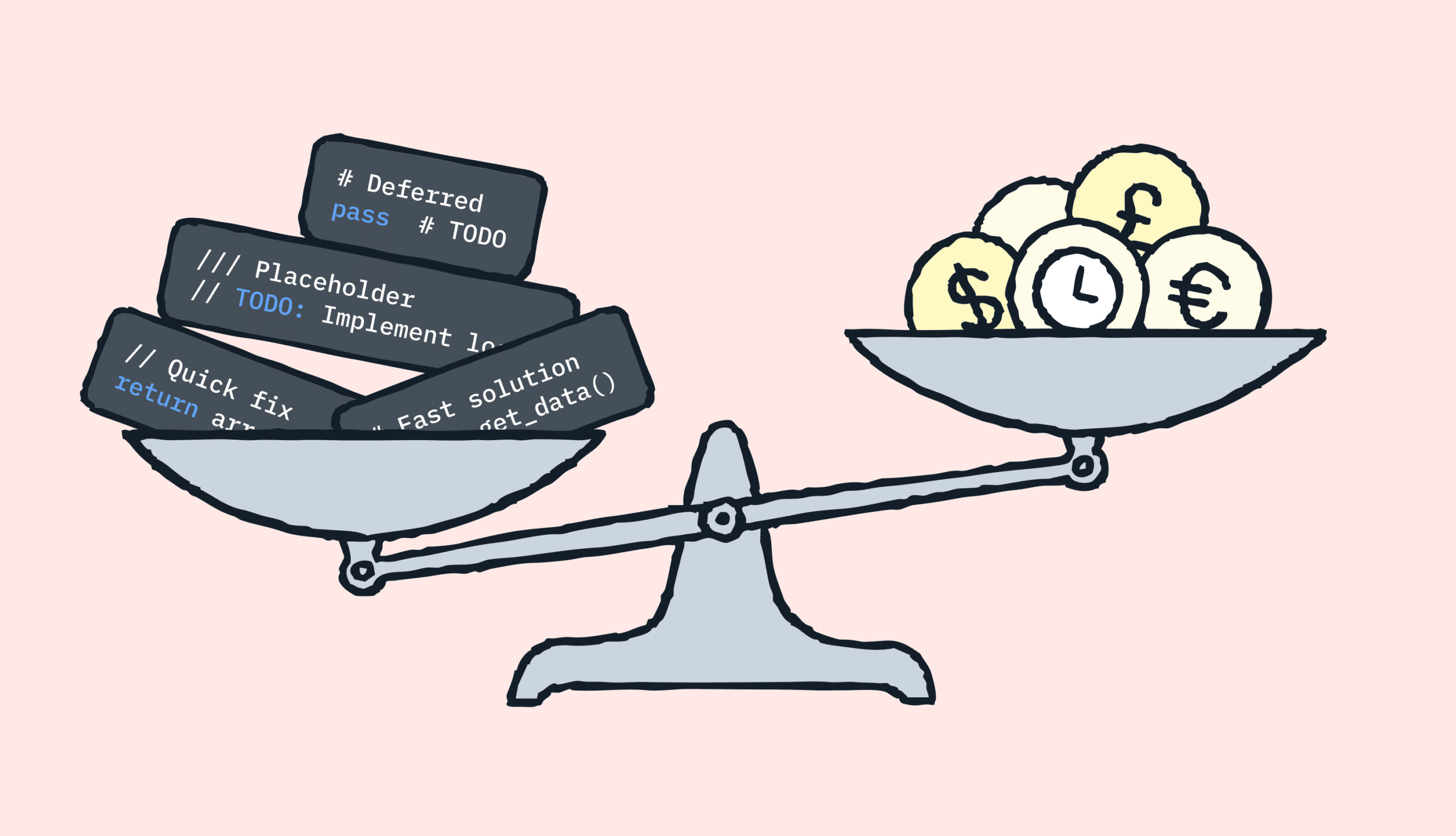
The term “technical debt” was coined by software engineer Ward Cunningham to describe the implied cost of shortcuts taken during development. Just as financial debt accrues interest over time, technical debt compounds — small compromises in code quality, architecture, and documentation become increasingly expensive to address as a codebase grows around them.
Not all technical debt is created equal. Some is deliberate: a team knowingly cuts corners to hit a launch deadline, planning to revisit later. Some is accidental: decisions that seemed reasonable at the time prove problematic as the system evolves. And some is simply the natural consequence of building software before requirements are fully understood. The goal isn’t to eliminate debt entirely — it’s to manage it consciously.
The Real Cost of Ignoring It
Technical debt has a direct impact on business outcomes that leadership often underestimates. Developer productivity declines as engineers navigate complex, fragile code. Release cycles lengthen because every change requires extensive testing to avoid regressions. Onboarding new team members takes longer when codebases are poorly documented and structurally inconsistent.
Perhaps most damaging is the effect on morale. Talented engineers don’t want to spend their careers maintaining systems they’re not proud of. High technical debt environments correlate strongly with higher attrition — which in turn accelerates the debt cycle as institutional knowledge walks out the door.
Identifying Where Debt Is Concentrated
Before paying down technical debt, teams need to know where it lives. Code complexity metrics, test coverage reports, and deployment frequency data all provide useful signals. So does simply asking engineers — developers know exactly which parts of the codebase they dread working in.
Organizations that engage IT consulting partners for technical audits gain an outside perspective that cuts through familiarity bias. External reviewers often identify structural issues that internal teams have normalized — surfacing risks and inefficiencies that have been invisible simply because everyone stopped questioning them.
Strategies for Paying Down Debt Without Stopping Delivery
The biggest challenge with technical debt remediation is that it competes directly with feature development for engineering time. Stopping all new work to refactor is rarely viable. The most effective approach is incremental improvement embedded in the regular development workflow.
The “boy scout rule” — leave every piece of code you touch slightly better than you found it — applied consistently across a team compounds into meaningful improvement over time. Dedicated refactoring sprints, scheduled quarterly, allow larger structural improvements without derailing product roadmaps. And automated testing infrastructure makes it safer to change existing code, reducing the risk that debt repayment introduces new bugs.
Bringing in the Right Expertise
Some debt requires specialist intervention — particularly when it involves outdated frameworks, security vulnerabilities in legacy dependencies, or architectural patterns that need to be fundamentally rethought. Teams that choose to hire dedicated developers with modernization experience can tackle these larger refactoring efforts without pulling core product engineers away from roadmap work.
For businesses managing multiple legacy systems simultaneously, working with a partner offering comprehensive technical support services ensures that debt remediation is prioritized alongside ongoing system health — keeping production stable while the underlying architecture is improved.
Debt Management Is an Ongoing Practice
There is no permanent state of zero technical debt. Every active software product accumulates it — the question is whether the accumulation is conscious and manageable, or chaotic and compounding. Teams that treat debt management as a regular engineering discipline, not an emergency response, build systems that stay healthy, fast, and enjoyable to work in for years.
The codebase you invest in today is the foundation everything else is built on tomorrow.